It started so quietly that I almost didn't notice. A few extra trips to the bathroom before leaving the house. Sitting on the aisle at the cinema, just in case. Checking Google Maps for service stations before any car journey over 40 minutes. Small adjustments. Nothing dramatic. But slowly, over two or three years, those small adjustments became the architecture of my entire day.
By the time I was 53, I had a mental map of every public toilet in my town centre. I knew which cafes would let you use the toilet without buying anything. I knew which supermarkets had toilets near the entrance. I'd stopped going to the theatre with my husband because the seats were too far from the aisle. I was worried about leaking while walking my dog.
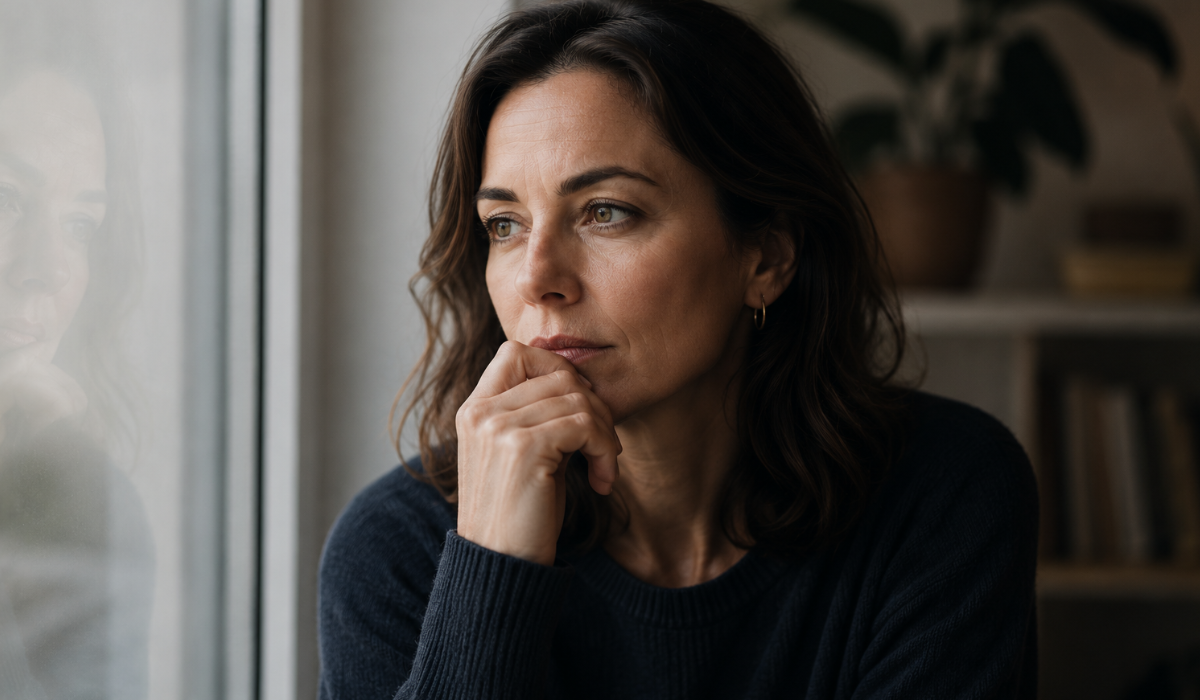
I was healthy. I was active. And I was quietly, privately terrified of not making it to a bathroom in time.
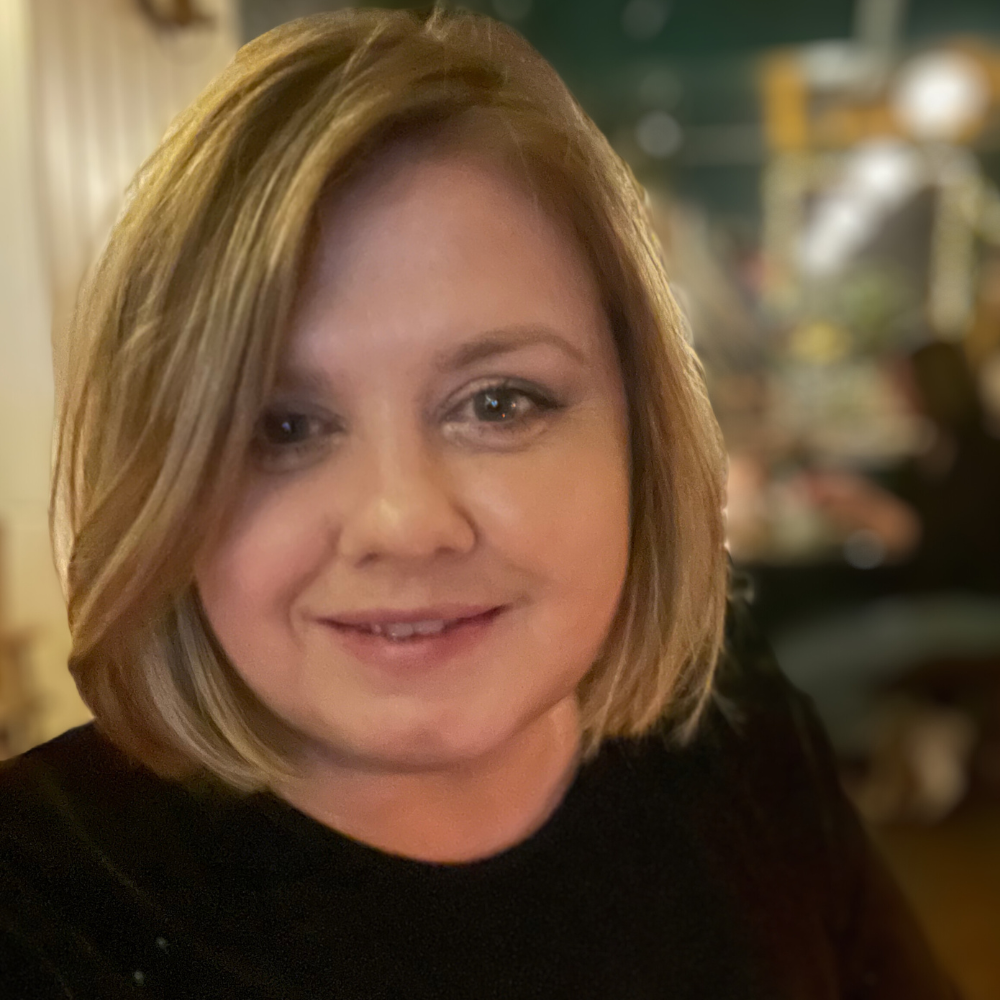
“I had a mental map of every public toilet in my town. I'd stopped going to the theatre. I'd stopped swimming. I was organising my entire life around proximity to a bathroom.”
- Sarah, 56The thing about bladder issues is that nobody talks about them. Not really. My friends would joke about "mum bladder" after a glass of wine, and I'd laugh along, but what I was experiencing was different. It wasn't just the occasional inconvenience. It was a constant background hum of anxiety. Where's the nearest loo? How long until we stop? Can I make it through this meeting?
It wasn't just during the day, I found myself waking up multiple times per night to use the toilet. I started feeling tired during the day alongside everything else.
The hardest part wasn't the physical symptoms. It was the shrinking. My world was getting smaller. I was saying no to things I loved. Weekend trips. Long walks. Spontaneous plans. I'd become someone who needed to "prepare" for things that used to be effortless.
jude’s clinical trial
79%
of study participants reported having fewer daily leaks (from their clinical trial of 130+ women)
6.5 years
reported fewer night-time trips to the bathroom
86%
saw a difference after 12 weeks
I went to my GP eventually. She was kind, but the appointment was only seven minutes. She mentioned pelvic floor exercises, which I was already doing. She mentioned medication, which I wasn't ready for — the side effects list was longer than my arm. She mentioned it was "very common," which I already knew. Knowing it's common doesn't make it easier to live with.
Part Two
What made me actually try something new
I'll be honest — I'm not someone who buys supplements. My bathroom cabinet has a multivitamin that expired in 2023 and a bottle of vitamin D I remember to take about twice a month. I'm sceptical of anything that promises too much, and I've sat through enough Instagram ads to know that "clinically proven" can mean almost anything.
Things I'd already tried

Pelvic floor exercises — helpful but not enough on their own. I'd been doing them for two years with limited improvement.
Reducing caffeine and alcohol — made a marginal difference. But I missed my morning coffee more than I can describe.
Bladder training — the "hold and wait" approach. It helped a little with urgency, but didn't touch the nighttime frequency.
Prescription medication - I considered it seriously, but the potential side effects (dry mouth, constipation, cognitive fog) put me off. I wasn't ready for that trade-off.
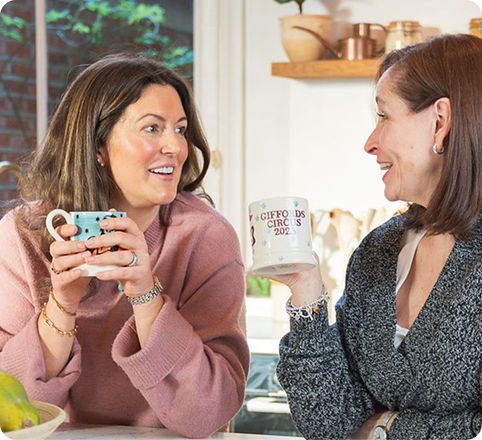
A friend mentioned Jude over lunch. Not in a "you should try this" way, more like she'd been taking it herself and had noticed a difference. She's not the type to recommend things lightly, so I paid attention. She said she'd been sleeping through the night for the first time in years.
I looked it up that evening to search for more information and that's when I realised that a lot of other women are experiencing this same issue. I watched Jude on Dragons Den and found out that 1 in 3 women have bladder issues, I saw clips of people on TV talking about Jude, I did my usual Trustpilot check and saw they had over 4 thousand reviews.
I read through the reviews for longer than I'd like to admit. I was looking for people like me — not extreme cases, but women in their 50s who were just... tired of managing it. Tired of the mental load. I found a lot of them.

Clinical context
GP perspective on bladder support supplements
"Pumpkin seed extract has been the subject of several clinical studies examining its effect on overactive bladder symptoms. The evidence suggests it may help support bladder muscle function and reduce urgency and nighttime frequency. It's not a replacement for medical treatment in serious cases, but for many women managing mild to moderate symptoms, it's a reasonable option to explore alongside other approaches."
I ordered the three-month supply. Partly because the clinical studies were based on 12 weeks, and partly because I know these things take time. I didn't expect a miracle. I've learned to be suspicious of miracles.
Part Three
Three months later, what actually changed
I want to be careful here, because I don't want to oversell this. I'm not "cured." I still have the occasional night where I'm up once. I still know where the toilets are in Marks & Spencer. But the difference between where I was and where I am now is significant enough that my husband noticed before I mentioned it.
The first thing that changed was sleep. Around week four or five, I started sleeping through more nights than not. Not every night — but most. After years of fragmented sleep, waking up at 6am having not been up since 11pm felt almost disorienting. I'd forgotten what rested felt like.
The urgency reduced gradually. It wasn't a switch — it was more like the volume turned down. The constant background awareness of needing to be near a bathroom faded. I stopped checking how far I was from the nearest loo when I arrived somewhere. I just... stopped thinking about it as much.
How things shifted over 12 weeks

Weeks 1–2
No noticeable change. Took the capsules with breakfast. Forgot once or twice.

Weeks 3–4
First signs. Sleeping through more often. Slight reduction in daytime urgency.

Weeks 5–8
Consistent improvement. Fewer nighttime trips. Started saying yes to things again.

Weeks 9–12
A new baseline. Not thinking about it most days. Sleeping through most nights.
But the real change wasn't physical. It was everything that came back. I went to the cinema last month and sat in the middle of the row. That sounds like nothing, but if you've spent years on the aisle, you'll understand. I drove to Cornwall with my daughter without mapping every service station. I went for a two-hour walk on a Sunday morning without "preparing."
My sleep improved so much that other things improved with it. My patience. My energy. My mood. It's remarkable how much of your life is downstream from sleep.
“I had a mental map of every public toilet in my town. I'd stopped going to the theatre. I'd stopped swimming. I was organising my entire life around proximity to a bathroom.”
- Sarah, 56What changed for me

Sleep
From 3-4 night-time wake-ups to sleeping through most nights
Confidence
Stopped pre-planning every outing around bathroom access
Social life
Saying yes to plans again — cinema, long walks, weekends away
Mental load
The constant background awareness has faded significantly
I'm not writing this to tell anyone what to do. Bodies are different, and what worked for me might not work the same way for someone else. But I spent six years managing this alone, convinced it was just "part of getting older" and that the only options were exercises or medication.
For me, there was something in between. And I wish I'd found it sooner.
Others sharing similar experiences

"I'm sleeping through the night for the first time in years. I genuinely didn't think that was possible anymore."
Margaret, 62
Verified purchase
"It took about a month to notice, but the urgency has really reduced. I feel like I have my confidence back."
Diane, 48
Verified purchase

"Not a miracle cure, but a real improvement. I'm not constantly thinking about it anymore. That alone is worth it."
Christine, 55
Verified purchase
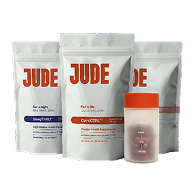
Jude Bladder Strength Supplements
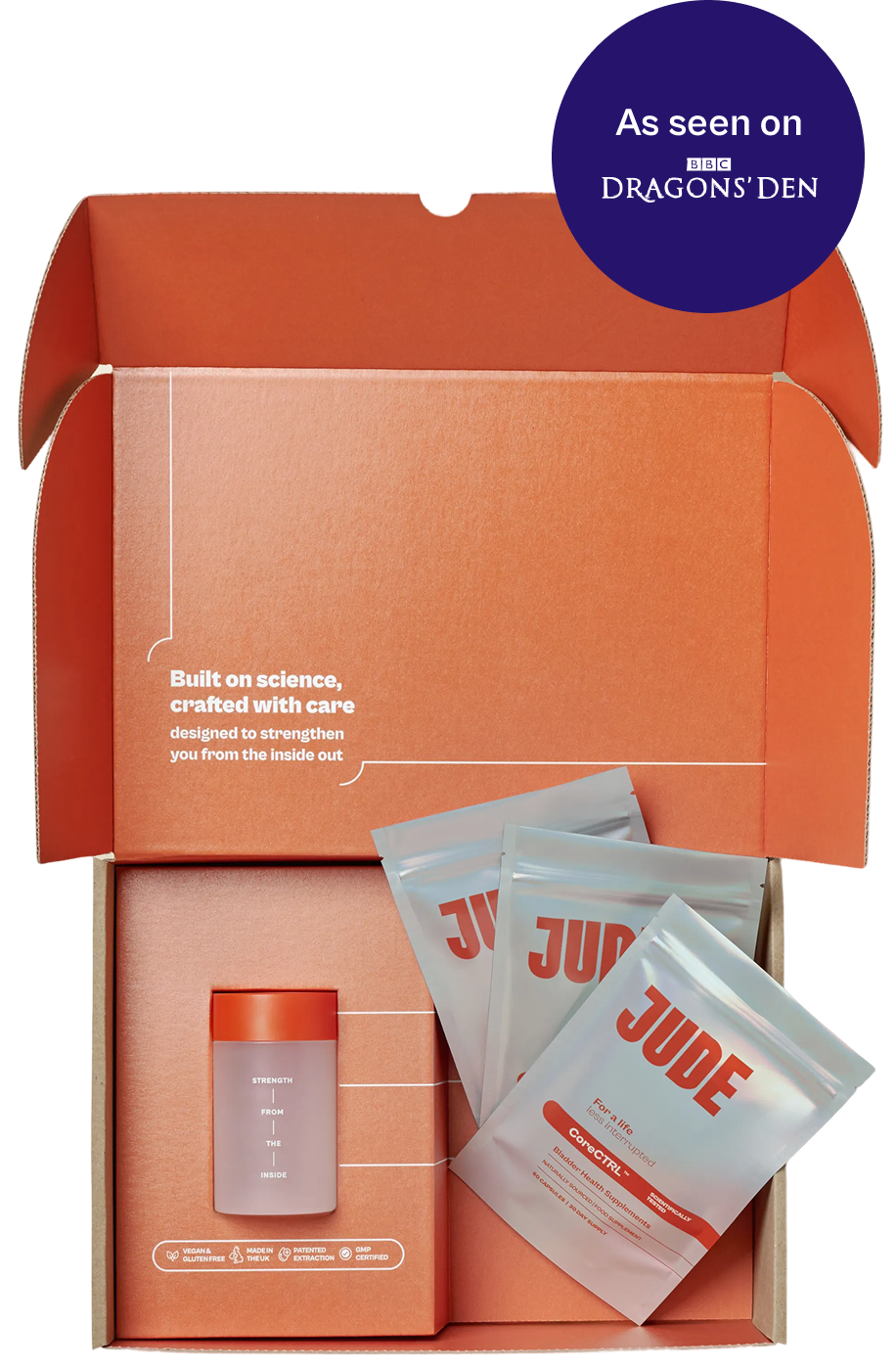
The Jude Starter Kit.
12 weeks to confidence
A three-month programme designed to give you inside-out support to feel strong. Everything you need, so you can get on with life.
What’s included?

12-week Supply of Supplements
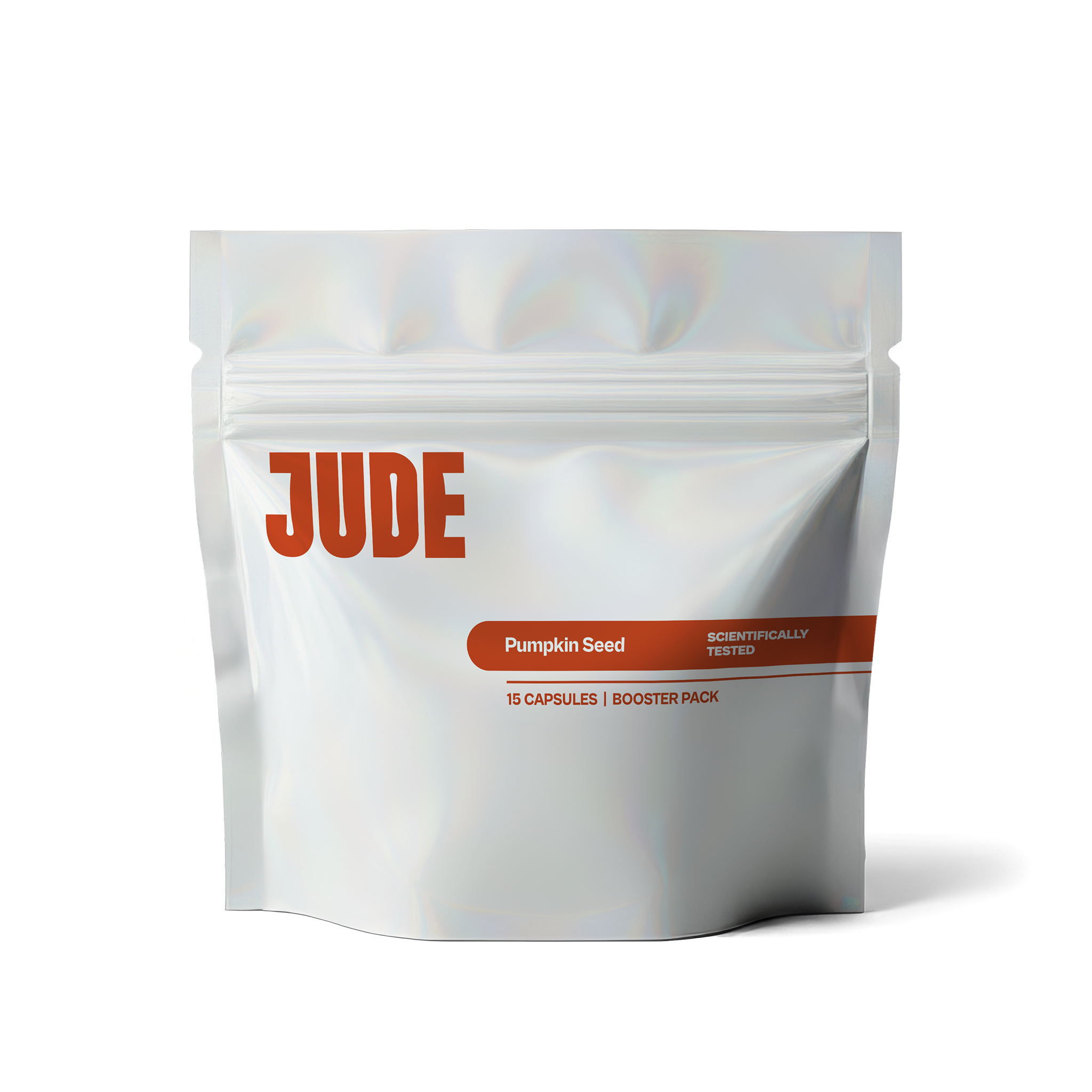
Free Booster Pack
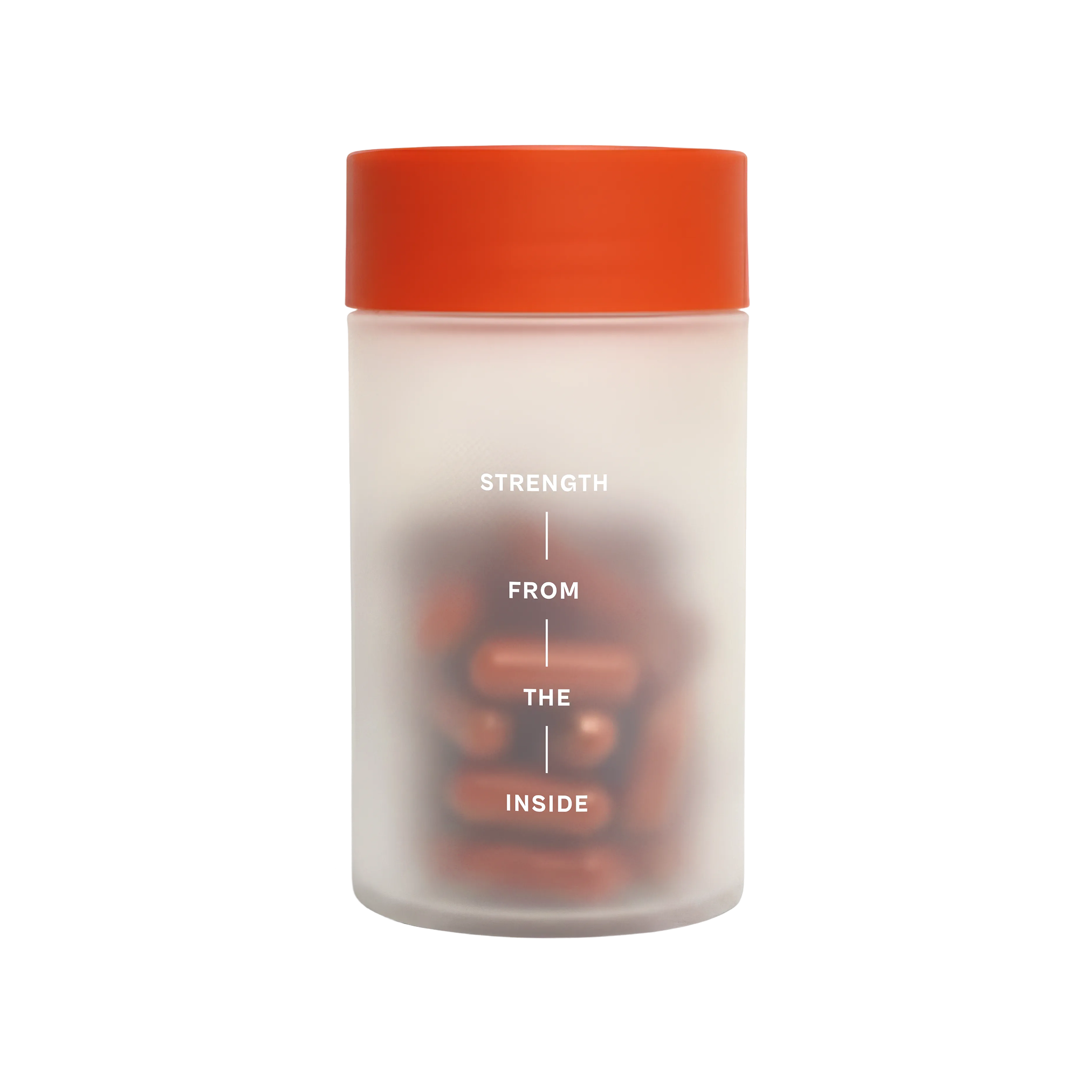
Free Refillable Jar

Bladder Health Guide
Trustpilot 4.5 / 5
10,000+ women supported
Clinically studied ingredients
This article is based on one customer's experience and is presented as partner content in collaboration with Jude. Individual results may vary. Jude Bladder Strength Supplements are a food supplement and should not be used as a substitute for a varied diet or medical advice. If you are concerned about bladder symptoms, please consult your GP.
Learn more at wearejude.com