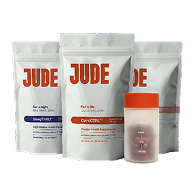

The role of B5 is foundational in our body. It supports the systems that regulate signalling and coordination, and contributes to how stable and responsive our body feels day to day.
What is vitamin B5?
Vitamin B5 is a water-soluble B vitamin found in a wide range of foods. It’s essential, meaning the body can’t produce it and relies on regular intake through our diet.
Its primary role is in the production of coenzyme A, a compound involved in converting carbohydrates, fats and proteins into usable energy, as well as supporting hormone and neurotransmitter synthesis.
Vitamin B5 benefits: what it does in the body
Energy and metabolism
Vitamin B5 helps convert food into energy, supporting the processes that keep cells functioning efficiently. This supports our overall wellbeing.
Nervous system function
Vitamin B5 contributes to the production of neurotransmitters, including acetylcholine, which helps transmit signals between nerves.
These signals control muscle activity and organ function. When signalling is balanced, responses feel more controlled. When it’s not, they can feel heightened or harder to manage.
Stress response and hormones
Vitamin B5 is involved in the production of steroid hormones, including those released by the adrenal glands. These help regulate how the body responds to stress, which can influence overall system sensitivity.
Cellular and tissue support
At a cellular level, vitamin B5 supports fatty acid metabolism and cell membrane integrity. This helps maintain tissue function throughout the body, including the bladder.
Why does vitamin B5 matter for bladder health?
Good bladder function depends on the coordination between muscle activity and nervous system signalling.
As our bladder fills, the muscle wall needs to stay relaxed. When it is time to empty, it contracts in response to signals from our nervous system. When this system is well regulated, the process feels predictable and stable – without issues such as leaking. When this signalling becomes more sensitive, it can feel stronger or arrive earlier. We may experience this as urgency, frequency or discomfort.
Vitamin B5 supports this system by contributing to normal nervous system function and helping to maintain balanced signalling.
Vitamin B5 and night-time wake-ups
Night-time wake-ups sit at the intersection of sleep and bladder signalling. During sleep, our body is less responsive to internal signals. When this balance shifts, smaller signals can lead to full wakefulness, making it harder to return to sleep.
Supporting our nervous system function with Vitamin B5 can help maintain a more stable response to these signals, making night-time wake-ups feel less disruptive.
Where vitamin B5 comes from
Vitamin B5 is widely available in foods, including chicken, eggs, whole grains, mushrooms and avocados.
Because it’s water-soluble, it isn’t stored in large amounts and needs to be replenished regularly. While deficiency is rare, intake can vary. It is often included in broader formulations designed to support multiple systems involved in bladder health.
Part of a system, not a single solution
Vitamin B5 is not a standalone solution or a qui. Bladder health and sleep are shaped by multiple factors, including habits, hormones, muscle function and nervous system regulation. B5 supports the underlying systems involved in signalling and coordination.
If urgency, frequency or wake-to-wee are ongoing, it’s worth speaking to a GP for personalised advice. But where things feel more sensitive or less predictable, supporting these systems can help improve stability over time.

2 min quiz
Not sure which supplement is right for you?
 Answer a few questions about your symptomsTrusted by 150,000+ womenFewer urgent trips to the bathroom
THE SUNDAY SUPPLEMENT
Bladder care, in your inbox
Join our newsletter for tips and tricks to life's trickly moments.
Feel secure all day long with our range of bladder care products. The entire range has been created with our team of experts and community of real women.
No spam. Unsubscribe anytime.