
It’s enough to take the edge off what should feel like a break. But a few small, considered adjustments can ease that background worry and help you move through the weekend with a bit more comfort and confidence.
Here are five realistic bladder-friendly ways to spend a bank holiday, where you don't have to worry about where the nearest loo is!
1. Dip into history (and even learn more about the bladder!)
Museums and galleries are a staple bank holiday activity – easy to dip in and out of, suitable for all ages, and usually well set up when it comes to facilities. But some spaces offer a bit more than a day out, giving you a different lens on how our bodies, and the systems around them, have been understood over time.
Places like the Gladstone Pottery Museum and the Wellcome Collection bring that into focus, from the history of sanitation and toilets to wider conversations around medicine and the body. It’s a reminder that bladder function isn’t something niche or embarrassing, it’s part of everyday life, past and present. Seeing it framed that way can take some of the weight out of symptoms, and even make it easier to talk about them more openly.
2. Pick a spot for a relaxing lunch
Bank holidays often revolve around long, relaxed sociable meals, but not every setting makes that easy when you’re managing urgency or leaks. Picnics, for example, can come with added pressure, limited toilets, queues, or needing to leave quickly. The same goes for busy venues where you feel rushed and dread the long queue when you have the urge to go.
Choosing somewhere relaxed and familiar can make all the difference. Easy access to toilets, slower pace, and a setting that allows you to dwell and take your time can make a big difference. We like to keep a list of our favourites in our phone notes to refer back to at times like this.
Don't forget to be mindful of foods and drinks that can irritate your bladder. Our top tip to help plan ahead is to check out the menu in advance so you know what will keep your bladder happy, too.
3. Take time to strengthen your pelvic floor
Your pelvic floor doesn’t work in isolation. It’s part of your core, your breathing, and how you manage pressure through your body day to day. Setting aside a little time over the bank holiday to focus on that connection can be more effective than squeezing in the occasional set of Kegels.
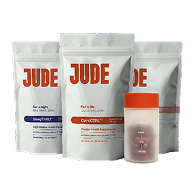
Yoga, a Pilates class or even a pelvic focussed workout at home can help improve coordination, support pressure management through the abdomen, and calm the nervous system, which plays a role in urgency. Jude’s Strength Method can also make a noticeable difference and is easily done from home, too. Alongside movement, you might find supplementation for the pelvic floor – such as PelviTONE™ – can help support muscle, tissue and nerve function over time help to support pelvic strength too.
4. Plan a supportive walk
Walking is one of the simplest ways to support pelvic health. It encourages gentle muscle engagement, supports circulation, and can help regulate the nervous system – and great for the whole family to get out into the fresh air this weekend. But if you’re managing leaks or urgency, it can also bring that constant awareness of where the nearest toilet might be.
A bit of practical planning can make it feel far more doable:
Check your route in advance and stick to places you know have reliable, accessible toilets
Use a toilet-finder app so you’re not relying on guesswork
Stay hydrated, but spread fluids earlier in the day rather than just before you head out
Carry a small bag with what you might need, whether that’s pads, spare underwear or a device like a Shewee
Build in natural pauses so you’re not pushing through discomfort
Focus on a steady heel-to-toe walking pattern, which can support better pressure management through the pelvic floor
It’s not about restricting yourself. It’s about creating enough certainty that you can relax into the walk, rather than constantly planning your next stop.
5. Try a gentle bladder reset
A bank holiday gives you a bit more space to notice what’s actually helping your bladder and what might be working against it. Rather than overhauling everything, this is about small, practical shifts to your morning and evening routines that support steadier days and calmer nights.
Morning: start your day with better habits
A slower start at home can be surprisingly effective for resetting bladder patterns.
Wait for a clear, natural urge rather than going “just in case”
Sit properly on the loo and allow enough time, avoiding rushing or hovering
Sip fluids steadily instead of drinking large amounts in one go
Include a few minutes of gentle pelvic floor work to support coordination
Pay attention to your patterns without overcorrecting or judging them
These small, repeatable habits help retrain how your bladder signals and responds over time.
Evening: support calmer nights
Night-time trips to the loo are common, and often shaped by what happens earlier in the day.
Ease off fluids closer to bedtime, without restricting hydration overall
Limit caffeine later in the afternoon, particularly if you’re sensitive to it
Create a consistent wind-down routine to help settle the nervous system
Be mindful of alcohol or fizzy drinks in the evening if they tend to trigger urgency
Some people also explore bladder-health supplements designed to support normal muscle and nerve function as part of a wider approach, rather than a quick fix. And if night-time symptoms are ongoing or worsening, it’s worth speaking to a GP.
Bank holidays offer small moments to pause
Bank holidays are a great chance to simply relax and take time to focus on what matters most – friends, family, our health.
THE SUNDAY SUPPLEMENT
Bladder care, in your inbox
Join our newsletter for tips and tricks to life's trickly moments.
Feel secure all day long with our range of bladder care products. The entire range has been created with our team of experts and community of real women.
No spam. Unsubscribe anytime.