
In reality, many women find that even with regular practice, things don’t feel as steady or reliable as they expected – and many of us don’t know whether we are doing them properly, either. Issues like leaks and urgency continue and our confidence in our bladder lowers.
So despite being the solution most frequently offered, are Kegel exercises enough on their own?
What Kegel Exercises Do
Kegel exercises are designed to strengthen the pelvic floor muscles, which support the bladder, bowel and uterus. These muscles play a key role in helping you hold on when you need to, and release when you’re ready.
When done correctly and consistently, Kegels can improve muscle strength and endurance, and help support control during everyday moments like coughing, lifting or laughing. Clinical guidance often recommends them as a first step, particularly for stress incontinence. But while they are useful, they focus on just one part of a much bigger system.
Why Kegels Don’t Always Work (Even When You’re Doing Them)
Pelvic floor exercises – Kegels – can be tricky to remember in our busy lives. The reality is that many of us aren’t doing them consistently enough to feel the benefit and dismiss their effectiveness.
The movement itself is subtle and even with good technique, consistency can be difficult to maintain, and like any form of strength training, results take time. But the reality is that most of us aren’t taught how to do them properly, and it’s common to bear down or engage the wrong muscles without realising.
More importantly, it’s a myth that most pelvic floors are simply “weak”. Some are tight, overactive, or lacking coordination. In those cases, more squeezing isn’t always the answer, and can sometimes make symptoms feel worse rather than better.
Your Pelvic Floor Is a System
Your pelvic floor doesn’t work in isolation. It relies on muscles, connective tissues and nerves working together. Strength is part of this, but so is coordination. Your pelvic floor needs to respond at the right moment when pressure changes, such as during a cough or movement.
The connective tissues that support your pelvic organs also play a role. Over time, and through life stages like pregnancy or menopause, these tissues can become less elastic, which can affect support.
Nerve signalling is another factor. Signals between the bladder and brain help regulate when you feel the need to go. If these signals become more sensitive, you may notice increased urgency or frequency. This more integrated view reflects how pelvic health is increasingly better understood today.
Where Diet and Nutrition Fit In
Pelvic floor health is influenced by more than exercise alone. Muscles and connective tissues rely on nutrients to maintain their structure and function. Protein and collagen, for example, play a role in supporting both muscle tissue and the connective framework around it. As we age, natural levels can shift, which may affect how resilient those tissues feel.
Certain micronutrients are also involved in everyday muscle and nerve function – for example, Vitamin D contributes to normal muscle function, zinc supports normal protein synthesis and tissue repair, and magnesium plays a role in both muscle and nervous system function.
Even our daily habits can have an impact. Caffeine, alcohol and some acidic foods can irritate the bladder in some people, increasing urgency or frequency. It’s not about strict rules, but about noticing what your body responds to.
The role of supplementation for pelvic floor support
Alongside diet, some people choose to support their pelvic floor with targeted nutrition. The aim is not to replace exercise or a good diet, but to complement these elements. Nutrients that support muscle function, connective tissue and nerve signalling may help create the conditions your pelvic floor needs to respond and strengthen over time.
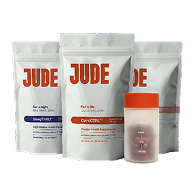
This approach is reflected in PelviTone™, designed to support the muscle, connective tissue and nerve function involved in pelvic floor health.
So, Are Kegel Exercises Enough?
For some women – especially those with mild symptoms and good technique – Kegels can make a noticeable difference. But for many of us, they are only one part of what’s needed.
Pelvic floor strength tends to improve more consistently with a holistic approach. Often this includes building coordination as well as strength, adjusting daily habits, supporting the nervous system, and making sure the body has the nutrients it needs to function well.
Beyond Kegels – A Complete Approach to Pelvic Health
Fortunately, our understanding of pelvic floor support is moving beyond isolated exercises. Jude’s Strength Method takes a more structured approach, combining guidance, progressive training and a clearer understanding of how your pelvic floor works in daily life.
The aim is not to do more, but to do things in a way that supports the whole system over time. Strength, in this sense, is something that builds gradually and fits into real life, rather than something you have to force.
When To Seek Extra Support
If you’ve been working on your pelvic floor, but you aren’t seeing progress, it may be worth getting additional support by speaking to your doctor.
Ongoing leaks, a feeling of heaviness, pain when exercising, or strong and frequent urgency can all be signs that something more specific is going on. A GP, pelvic health physiotherapist or menopause specialist can help you understand what your body needs and guide you accordingly.
2 min quiz
Not sure which supplement is right for you?
 Answer a few questions about your symptomsTrusted by 150,000+ womenFewer urgent trips to the bathroom
THE SUNDAY SUPPLEMENT
Bladder care, in your inbox
Join our newsletter for tips and tricks to life's trickly moments.
Feel secure all day long with our range of bladder care products. The entire range has been created with our team of experts and community of real women.
No spam. Unsubscribe anytime.