
Collagen and creatine are two of the most recognised ingredients in today’s women’s health. Many women take collagen for skin or joint support, and creatine to improve strength and support workouts. What is less known is how they can support our pelvic floor, and form part of a holistic approach to improving our bladder health.
The pelvic floor is not a single muscle. It is a coordinated structure consisting of muscle fibres that generate force. Collagen-rich connective tissue anchors and distributes that force, and nerve pathways help control timing and responsiveness. When any one of these elements is less resilient, symptoms such as leaks, urgency or reduced support can occur.
Research now suggests that targeted nutrition may help improve how our pelvic floor responds to structured pelvic floor training.
Creatine: supporting muscle energy and responsiveness
Creatine plays a central role in cellular energy production. Inside muscle cells, it helps regenerate ATP, the molecule that powers both quick, repeated squeezes and the sustained tension needed to provide ongoing pelvic support.
While often associated with sport, this mechanism is directly relevant to the pelvic floor. These muscles must contract quickly in response to a cough or jump and repeat that effort throughout the day.
A 2023 study by Takács et al. examined a 3g daily creatine supplement alongside pelvic floor exercises. Participants who combined creatine with training improved vaginal squeeze pressure three times more than those performing exercises alone, suggesting creatine may enhance muscular adaptation when paired with consistent exercise.
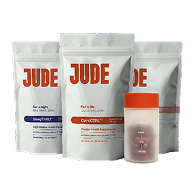
Creatine monohydrate is one of the most extensively researched ingredients in muscle science and has consistently been shown to support performance during short bursts of high-intensity activity. PelviTONE™ provides 3g of pure creatine monohydrate per serving , matching the dose most widely studied in clinical research and selected for its strong evidence base and reliable absorption.
Our Lead Scientist, Dr Zena Wehbe, explains:
“When women are consistent with their pelvic floor exercises but not seeing change, the limiting factor can be muscle energy and responsiveness. Creatine does not replace training, but it may support the muscle’s ability to adapt.”
Collagen: reinforcing the pelvic framework
Creatine supports contraction, but collagen underpins the structural resilience of the pelvic floor.
Type I collagen is the primary structural protein in connective tissue. In the pelvic floor, it forms part of the fascia and supportive layers that help maintain lift and distribute pressure evenly.
With age, childbirth and hormonal shifts during perimenopause and menopause, collagen turnover can change. Tissue may become less elastic and slower to recover from strain.
A 2025 study by Nobile et al. examined a collagen-rich supplement alongside pelvic floor exercises. After six weeks, urinary incontinence scores were reduced by 64 percent from baseline in the supplement group, compared with 10 percent in the exercise-only group. These findings suggest collagen may support connective tissue adaptation when paired with consistent training.
PelviTONE™ provides 5g of hydrolysed marine type I collagen per serving. The collagen is derived from freshwater white fish and broken down to a low molecular weight to support absorption. The formula also includes vitamin C, which contributes to normal collagen formation, alongside zinc and copper, which contribute to normal protein synthesis and the maintenance of connective tissue.
Dr Wehbe adds:
“Muscle strength alone is not enough. The connective tissue surrounding those muscles needs to be resilient and well supported. Collagen provides the structural framework that allows force to be transferred effectively, and it also supplies key building blocks for the muscle tissue itself.”
A system approach to pelvic strength
Too often, pelvic health is reduced to a single instruction: do your exercises. Exercise is essential, but the pelvic floor is more complex than one type of squeeze.
It contains both fast-twitch and slow-twitch muscle fibres. Fast-twitch fibres drive quick contractions, such as those needed when you cough or jump. Slow-twitch fibres, which make up the majority of the pelvic floor, provide the sustained support required throughout the day.
Kegels effectively train fast-twitch fibres. Slow-twitch fibres, however, require longer, sustained holds to build endurance. Training only one fibre type leaves part of the system underdeveloped.
Muscle performance, connective tissue integrity and neuromuscular coordination work together. Lasting strength comes from training the right fibres in the right way, alongside providing the tissue with the nutritional support it needs to adapt.
PelviTONE™ was developed as a complete pelvic system approach, supporting muscle, connective tissue and the wider neuromuscular network with research-backed doses rather than cosmetic amounts. It’s been designed in-house specifically for pelvic floor support, and not adapted from a general collagen or sports supplement.
The truth is that there is no quick fix for pelvic floor weakness. There is, however, a clear pathway: informed training, targeted nutrition and sustained consistency – all of which form part of our Strength System.
Individual guidance for effective care
If symptoms are new, worsening or significantly affecting daily life, it is important to seek assessment from a GP or pelvic health specialist. Individual guidance remains central to effective care.
For most of us, progress is – and will be – gradual and cumulative. Strength builds quietly, as control becomes more reliable and movement feels less hesitant. The pelvic floor is living tissue, capable of adapting when given the right stimulus and support. Creatine supports muscular performance and collagen provides the building blocks for the muscles. Together, and alongside consistent training, they may help rebuild strength from the floor up.

2 min quiz
Not sure which supplement is right for you?
 Answer a few questions about your symptomsTrusted by 150,000+ womenFewer urgent trips to the bathroom
THE SUNDAY SUPPLEMENT
Bladder care, in your inbox
Join our newsletter for tips and tricks to life's trickly moments.
Feel secure all day long with our range of bladder care products. The entire range has been created with our team of experts and community of real women.
No spam. Unsubscribe anytime.