
The science is clear on this: inflammation, blood sugar spikes, constipation, muscle fatigue over time and of course – our diet, all play a role in how our bladder behaves.
We know that our diet is an important factor in supporting our bladder health – and it's something we can control to give us a feeling of empowerment when leaks and urgency take over.
But where do you start if you aren't sure about the foods you should be eating for your bladder?
We've identified four easy, winter-friendly ingredients that will nurture your bladder through the winter season. And – because we want to enjoy our Christmas fully, these foods are great for supporting and preparing our bladder in advance and after the celebrations end!
Blueberries: anti-inflammatory and urinary-supportive
Blueberries are rich in anthocyanins, flavonoids shown to reduce inflammation and support urinary tract health. Some evidence suggests that berries reduce the adhesion of certain bacteria to the bladder lining, helping maintain a healthier environment. While cranberries get all the fame, blueberries offer similar polyphenols with a gentler flavour and more versatility.
They also have a lower glycaemic impact, which helps stabilise blood sugar. Why that matters: sharp blood sugar swings can increase urgency and irritability in the bladder.
Key benefit: lower inflammation, calmer bladder signalling, a steady energy profile.
Leafy greens: magnesium for muscle strength + fibre for bowel support
Cavolo nero, kale, spinach and chard are winter staples and packed with magnesium. Magnesium plays a central role in muscle contraction and relaxation, including the pelvic floor. Low magnesium has been linked with increased muscle tension and fatigue, which is the last thing we need when trying to support continence.
They’re also rich in fibre. Constipation is a major bladder irritant because a backed-up bowel presses against the bladder and weakens pelvic floor engagement over time.
Key benefit: stronger, more responsive pelvic floor and less pressure on the bladder.
Pumpkin seeds: zinc, protein and healthy fats for tissue repair
Pumpkin seeds contain zinc, which supports tissue repair and immune function. The urethra and vaginal tissues depend on adequate micronutrients for integrity, especially in midlife when oestrogen dips can thin and irritate those tissues.
They also provide plant-based protein and healthy fats, both helpful for muscle repair and stable energy.
Key benefit: nourished pelvic tissues, more muscle support, fewer inflammatory spikes.
Oats: stabilise blood sugar and soothe bladder signalling
Oats are rich in beta-glucans that help regulate blood sugar and reduce systemic inflammation. When blood sugar is erratic, the sympathetic nervous system becomes more reactive, which can heighten urgency and frequency. A calmer glucose profile equals a calmer bladder.
Oats also support healthy gut bacteria, which plays a role in immune regulation and inflammation patterns.
Key benefit: steadier energy, reduced urgency and less irritability.
Meal Ideas to get you started
Below are practical meals that combine these four ingredients into winter-friendly dishes that feel comforting:
LUNCH IDEAS
1. Winter Greens and Blueberry Grain Bowl
Warm quinoa or wholegrain rice topped with lightly sautéed kale, a handful of blueberries, crumbled feta and pumpkin seeds. Drizzle with lemon and olive oil. Why it helps: magnesium + antioxidants + stable energy.
2. Creamy Oat and Chicken Soup
Blend cooked oats into a silky broth with shredded chicken, spinach, garlic and thyme. Finish with pumpkin seeds for crunch. Why it helps: calming, filling, bowel-friendly, pelvic floor supportive.
3. Warm Roasted Squash Salad with Greens and Seeds
Toss roasted squash with cavolo nero, blueberries, toasted pumpkin seeds and a honey-mustard dressing. Why it helps: high fibre and antioxidants without irritating acids.
4. Savoury Oatcakes with Smoked Salmon and Spinach
Top oatcakes with a smear of cream cheese, smoked salmon and a pile of fresh spinach. Add lemon zest. Why it helps: great for blood sugar, plus omega-3s to support inflammation control.
DINNER IDEAS
1. One-Pot Lemon Chicken with Greens and Oaty Rice
Cook rice with a handful of oats stirred through at the end for creaminess. Add pan-seared chicken thighs, lemon, garlic and wilted spinach. Why it helps: gentle on the bladder, nourishing for muscles.
2. Turkey and Kale Meatballs with Oat Binder
Use oats instead of breadcrumbs in turkey meatballs. Serve with tomato-free broth or a creamy garlic sauce, and a side of steamed greens. Why it helps: pelvic-floor-friendly protein, no acidic irritation.
3. Blueberry and Balsamic Chicken Traybake
Hear me out: blueberries cooked with balsamic vinegar become a rich, sweet glaze. Add chicken breasts, kale and red onions and roast. Why it helps: antioxidants galore and no bladder-trigger spices.
4. Oat and Seed-Crusted Salmon with Winter Greens
Coat salmon in oats, pumpkin seeds and herbs. Bake until crisp. Serve with mashed root veg and sautéed kale. Why it helps: inflammation control + zinc + magnesium = pelvic floor win.
A gentle reminder before celebrations start
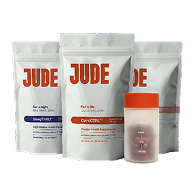
This is the most wonderful time of the year – when we gather with friends and family to enjoy good food, drinks and celebrating together. We don't want you to feel restricted by your bladder at this time of year – so our approach is simple. It's about supporting your leaks and urgency in practical ways: pelvic floor exercises, nourishing foods that your bladder loves, and of course supporting this holistic approach with Jude's Bladder Food Supplements.
By giving your system a stronger, calmer foundation now, you’ll be far more resilient when Christmas really gets going and ready to enjoy the celebrations!
THE SUNDAY SUPPLEMENT
Bladder care, in your inbox
Join our newsletter for tips and tricks to life's trickly moments.
Feel secure all day long with our range of bladder care products. The entire range has been created with our team of experts and community of real women.
No spam. Unsubscribe anytime.