
Looking after it can make a real difference to how comfortable, confident and in control you feel over time.
What is the pelvic floor?
The pelvic floor is a group of muscles and connective tissues that sit at the base of your pelvis. Think of it as a supportive hammock that helps hold the bladder, bowel and uterus in place. These muscles also help control when you pass urine, support sexual function, and work alongside your abdominal and back muscles to stabilise your core.
Why pelvic floor health matters
The pelvic floor plays an important role in how your bladder and pelvic organs function day to day.
When the muscles are strong and responsive, they help the bladder hold urine comfortably and release it at the right time. They also help support the organs in the pelvis and maintain stability through the body’s core.
When these muscles become weaker or less coordinated, symptoms can appear.
These may include:
Leaking urine when coughing, laughing or exercising
A frequent or urgent need to use the toilet
A feeling of heaviness or pressure in the pelvis
Changes in sexual sensation or comfort
Reduced stability through the core or lower back
These experiences are more common than many people realise, affecting millions of us across different stages of life.
While these changes can feel daunting and life-changing, with the right support the pelvic floor can often respond very well to strengthening and lifestyle changes.
What can affect the pelvic floor?
Like any muscle group, the pelvic floor changes over time. Certain life stages and everyday factors can place additional strain on these muscles.
Pregnancy and childbirth
During pregnancy and birth, the pelvic floor stretches to support a growing baby and delivery. Recovery takes time, and some people notice lasting changes in strength or coordination.
Perimenopause and menopause
Hormonal changes, particularly declining oestrogen, can affect the strength and elasticity of pelvic tissues. This can make the pelvic floor feel less supportive than it once did.
High-impact exercise
Running, jumping and heavy lifting increase pressure through the pelvis. Without good pelvic support, this pressure can strain the muscles.
Chronic straining
Conditions like constipation, or frequently pushing during bowel movements, can weaken the pelvic floor over time.
Ageing
Muscle tone naturally decreases as we get older. Without regular use and strengthening, pelvic floor muscles can gradually lose strength.
The benefits of a healthy pelvic floor
When the pelvic floor is functioning well, it supports many aspects of everyday wellbeing.
A strong, coordinated pelvic floor can help:
Maintain bladder and bowel control
Support pelvic organs and reduce feelings of heaviness
Improve core stability and posture
Support comfortable movement and exercise
Enhance sexual sensation and circulation
Maintain independence and confidence as you age
In other words, it supports a quiet foundation that helps your body move and function smoothly.
How to support your pelvic floor
Supporting your pelvic floor doesn’t need to be complicated. Here’s some simple habits you can start today to improve the strength and support of this vital system:
Practice pelvic floor exercises
Regular pelvic floor movement, including Kegels, can support the muscles that help you stay in control. The Strength Method is designed to take this further, combining breath, coordination and gentle movement so your pelvic floor works as part of your whole body, not in isolation. Research shows that integrated core and pelvic floor training produces greater pelvic floor strength gains than Kegels alone.
Breathe during effort
Breathing out during effort helps your pelvic floor work with your body, not against it. Holding your breath can increase pressure through the pelvis, making control feel harder than it needs to be.
Avoid “just in case” wees
Going too often, just in case, can teach your bladder to signal earlier than it needs to. Over time, that can make it feel more reactive than reliable.
Support bowel health
Staying hydrated and eating enough fibre helps keep things moving, reducing the need to strain. Less pressure through the pelvis means your pelvic floor can do its job more comfortably.
Seek guidance if needed
If things don’t feel quite right, a pelvic health physiotherapist can assess how your pelvic floor is working and guide you through exercises tailored to your body.
Supporting pelvic floor strength from within
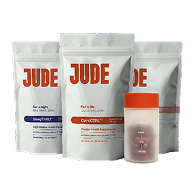
Pelvic floor health starts with movement and daily habits, with nutrition playing a supporting role in maintaining the strength and resilience of the tissues involved. Some supplements are designed to complement pelvic floor exercises, supporting connective tissue, muscle function and hydration. Jude’s PelviTone formula combines collagen, creatine and targeted nutrients specifically chosen for pelvic floor health, supporting muscle activation, connective tissue strength and hydration. It has been created to work alongside your routine rather than replace it.
When to seek advice
If you notice ongoing changes like leakage, pressure or difficulty emptying your bladder or bowel, it’s worth speaking to a GP or pelvic health physiotherapist. With the right guidance, things can start to feel more manageable.
THE SUNDAY SUPPLEMENT
Bladder care, in your inbox
Join our newsletter for tips and tricks to life's trickly moments.
Feel secure all day long with our range of bladder care products. The entire range has been created with our team of experts and community of real women.
No spam. Unsubscribe anytime.