
It hasn't. What you're describing is a real, well-documented pattern, and there's a reason it keeps happening.
We're Jude, specialists in bladder nutrition providing the best diet & lifestyle advice to maintain a healthy bladder and this particular loop, BV to UTI to thrush and back again, is one we hear about a lot.
The community living down there
Your vagina isn't a blank space, it's home to a community of bacteria, mostly Lactobacillus species, that keep things in balance. They produce lactic acid, which keeps the environment acidic enough to make life difficult for the bacteria and yeast that cause trouble.
When that Lactobacillus population dips, the balance can tip. This shift, often with barely any symptoms of its own, is what's known as bacterial vaginosis, or BV.
Why one infection tends to invite the next
Here's the part that explains the loop. A vagina with fewer protective lactobacilli isn't just more prone to BV, it's also more hospitable to the bacteria that cause UTIs, and, once you've taken antibiotics for that UTI, more hospitable to the yeast that causes thrush too.
Bacterial vaginosis involves the replacement of healthy lactobacilli with unhelpful bacteria, and this shift is strongly linked to a higher risk of UTIs and their recurrence. Research into the relationship between BV and thrush suggests something similar happens on the yeast side, the dysbiosis of BV appears to compromise the vagina's immune defences against Candida, and the resulting inflammation can make a follow-up bout of thrush more likely.
Then there's the antibiotic itself. It's very good at clearing the infection it's targeting, but it doesn't distinguish between the bacteria causing your UTI and the protective lactobacilli quietly doing their job. One study looking at antibiotic use and thrush found antibiotic use is a short-term risk factor for symptomatic thrush, whether it's a first episode or a repeat one and the longer the course, the higher the likelihood.
So the cycle often looks like this: lactobacilli dip → BV or UTI symptoms appear → antibiotics treat it → lactobacilli dip further → thrush moves in → and the vagina is left even less protected for next time.
A few ways to help break the pattern
1. Ask about a shorter antibiotic course where appropriate
If you're prone to this cycle, it's worth mentioning to your GP or pharmacist, they may be able to prescribe the shortest effective course for your UTI.
Why it helps: less antibiotic exposure generally means less disruption to your protective bacteria, which may lower the chance of thrush following on.
2. Consider a vaginal probiotic alongside treatment
Some women find taking a lactobacillus-based probiotic, vaginally or orally, during and after antibiotic treatment helpful.
Why it helps: a randomised trial of a Lactobacillus crispatus probiotic found it reduced recurrence of BV compared with placebo after antibiotic treatment, and probiotic strategies more broadly are thought to help by displacing pathogens and supporting the vagina's own immune response.
3. Stay off scented washes and douches
It's tempting to feel like you need to "clean" more when things feel off, but scented soaps, douches and wipes can disrupt vaginal pH further.
Why it helps: your vagina is self-cleaning, and keeping the pH undisturbed gives your lactobacilli the best chance to re-establish themselves.
4. Wee after sex, and keep an eye on wiping direction
Small habits, but consistent ones, weeing shortly after sex and wiping front to back can reduce how much bacteria travels towards the urethra.
Why it helps: it limits the opportunity for bacteria to make the journey from the bowel or vagina to the bladder in the first place.
5. Don't self-treat thrush without checking
If you're not sure whether it's thrush or something else, it's worth getting it confirmed rather than reaching for the same antifungal each time.
Why it helps: repeated, unconfirmed self-treatment can mask what's actually going on and, in some cases, contribute to resistance, meaning the treatment works less well when you do need it.
The science behind soy isoflavones and vitamin D
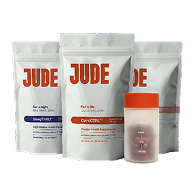
Two of our ingredients in coreCTRL have also been studied for their possible role in your body's own natural defences against bacteria.
Soy isoflavones, in lab studies, have been shown to increase the release of antimicrobial peptides in cell cultures, your body's own natural bacteria-fighters. It's early, cell-based research, but a promising thread.
Vitamin D has a similar story. Researchers found it can trigger production of an antimicrobial peptide called cathelicidin in bladder cells, with an increased antibacterial effect against E. coli, the bacteria behind most UTIs.
Small steps, not a full overhaul
You don't need to change everything at once, the goal is to notice the pattern and interrupt it where you can, rather than treat each infection as a one-off surprise.
If you're finding yourself in this loop every few months despite trying the above, it's worth speaking to your GP or a gynaecologist. Recurring cycles like this can sometimes benefit from a longer-term plan, including, in some cases, a supportive approach like Jude's Strength Method alongside dietary changes, rather than treating each flare-up in isolation.
DAILY BLADDER SUPPLEMENT
Feel bladder confident in 12 weeks
 Helps calm brain-bladder signalsBoosts bladder flexibility to help you hold for longerAfter 12 weeks, 77% of women felt more in control of their bladder.
2 min quiz
Not sure which supplement is right for you?
 Answer a few questions about your symptomsTrusted by 150,000+ womenFewer urgent trips to the bathroom
THE SUNDAY SUPPLEMENT
Bladder care, in your inbox
Join our newsletter for tips and tricks to life's trickly moments.
Feel secure all day long with our range of bladder care products. The entire range has been created with our team of experts and community of real women.
No spam. Unsubscribe anytime.