
The good news is that you don't necessarily have to give up coffee altogether – and the good news is that current NHS guidance recommends reducing your intake rather than avoiding altogether, unless caffeine is a particularly strong irritant for your bladder health.
For many of us, it can contribute to an overall sensitivity for our bladder alongside many other factors – such as hormonal changes, lifestyle limitations, and even stress. Some people can happily enjoy several cups of coffee a day without any noticeable symptoms, while others find even one coffee seems to increase urgency, frequency or the need to rush to the toilet. Your own personal experience is what matters here to find the right balance, rather than relying on a ‘bladder rule’.
Why can caffeine affect the bladder?
Caffeine is a natural stimulant. As well as helping us feel more alert, it can stimulate the bladder muscle (the detrusor muscle), making it contract more readily. It also has a mild diuretic effect in some people, meaning you may produce slightly more urine, particularly if you're not used to consuming caffeine regularly.
For someone with an overactive bladder or urinary urgency, those extra contractions can make symptoms feel more noticeable, leading to more frequent trips to the toilet or a stronger feeling that you need to go immediately.
Research suggests that reducing caffeine intake can improve urinary urgency, frequency and night-time urination (nocturia) in some people with overactive bladder. Because caffeine can stimulate the bladder muscle, healthcare guidelines from NICE, the NHS and the European Association of Urology all recommend trying a reduction in caffeine as part of symptom management for people who find it acts as a trigger.
Rather than giving up coffee completely, start with one small change and see how your bladder responds. Many people find that reducing their overall caffeine intake is enough to ease symptoms while still allowing them to enjoy the drinks they love.
1. Try half-caff instead of your usual coffee
If switching straight to decaffeinated coffee feels like too much of a leap, half-caff can be a great place to start.
As the name suggests, it combines regular and decaffeinated coffee to reduce the amount of caffeine in each cup while keeping much of the flavour and aroma you already enjoy.
For many coffee lovers, it's one of the easiest ways to lower their caffeine intake without feeling like they're giving anything up.
2. Make every other coffee a decaf
You don't have to replace your favourite morning coffee. Instead, try keeping your first cup exactly as it is and swapping your second or third coffee for a decaf version. This simple change can significantly reduce your total caffeine intake across the day while preserving the routine you look forward to.
Modern decaf coffees have also come a long way, with many offering the same rich flavour you'd expect from regular coffee.
3. Choose a smaller coffee
If you usually reach for a bucket-sized takeaway coffee to start your day, reducing the size of your serving is an obvious way to reduce your intake while allowing you to enjoy your daily ritual.
Sometimes it's more about the daily habit of having a coffee to start our day, or relying on a cup to take a few quiet minutes for yourself that matters most, rather than the amount of caffeine inside it – and that’s important to recognise, too.
4. Swap your afternoon coffee for a warming infusion
Many of us don’t think about what and when we are drinking coffee or caffeinated drinks, because they are so enmeshed in our daily routine (and society, generally). Making easy swaps can support our desire for that habitual moment that usually offers a break from our work or routine – which for many of us, is the point when we make that cup of coffee.
Replacing an afternoon coffee with a warming infusion is one way to reduce your caffeine intake while still enjoying a comforting hot drink, and naturally our suggestion is a pumpkin seed infusion.
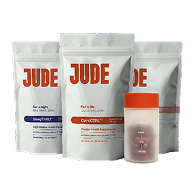
Pumpkin seeds are naturally rich in L-arginine alongside a range of bioactive plant compounds that have been studied for their role in supporting healthy bladder muscle function, tissue resilience and urinary health. Pumpkin seed extract is one of the key ingredients in Jude's bladder health supplements because of this growing body of research.
To make your own infusion, simply add a tablespoon of lightly roasted pumpkin seeds to freshly boiled water and leave to steep for around 10 minutes before straining. Add a pinch of cinnamon for a warming drink with a subtle nutty flavour.
5. Remember that coffee isn't the only source of caffeine
If you have noticed that caffeine affects your bladder health, then it’s worth looking beyond the obvious cup of coffee, because caffeine is present in a surprising amount of foods and drinks.
Tea, cola drinks, energy drinks and chocolate all contribute to your daily caffeine intake. While you don't need to avoid them completely, being aware of these hidden sources can help you build a clearer picture of your personal triggers and again, help reduce your intake.
Some people find that identifying an overall intake between other drinks and snacks can help support their bladder health more than simply swapping a coffee for a herbal tea or three.
Small changes can make a big difference
Living with bladder symptoms doesn't have to mean giving up everything you enjoy.
If you think caffeine may be contributing to urgency or frequency, start with one simple swap and give it a couple of weeks before deciding whether it's made a difference. Keeping a bladder diary can also help you spot patterns between what you eat and drink and how your symptoms change over time.
Remember, there isn't a universal list of bladder triggers. Your bladder is unique, and understanding how it responds is one of the most effective ways to make informed choices that fit your lifestyle.
THE SUNDAY SUPPLEMENT
Bladder care, in your inbox
Join our newsletter for tips and tricks to life's trickly moments.
Feel secure all day long with our range of bladder care products. The entire range has been created with our team of experts and community of real women.
No spam. Unsubscribe anytime.